

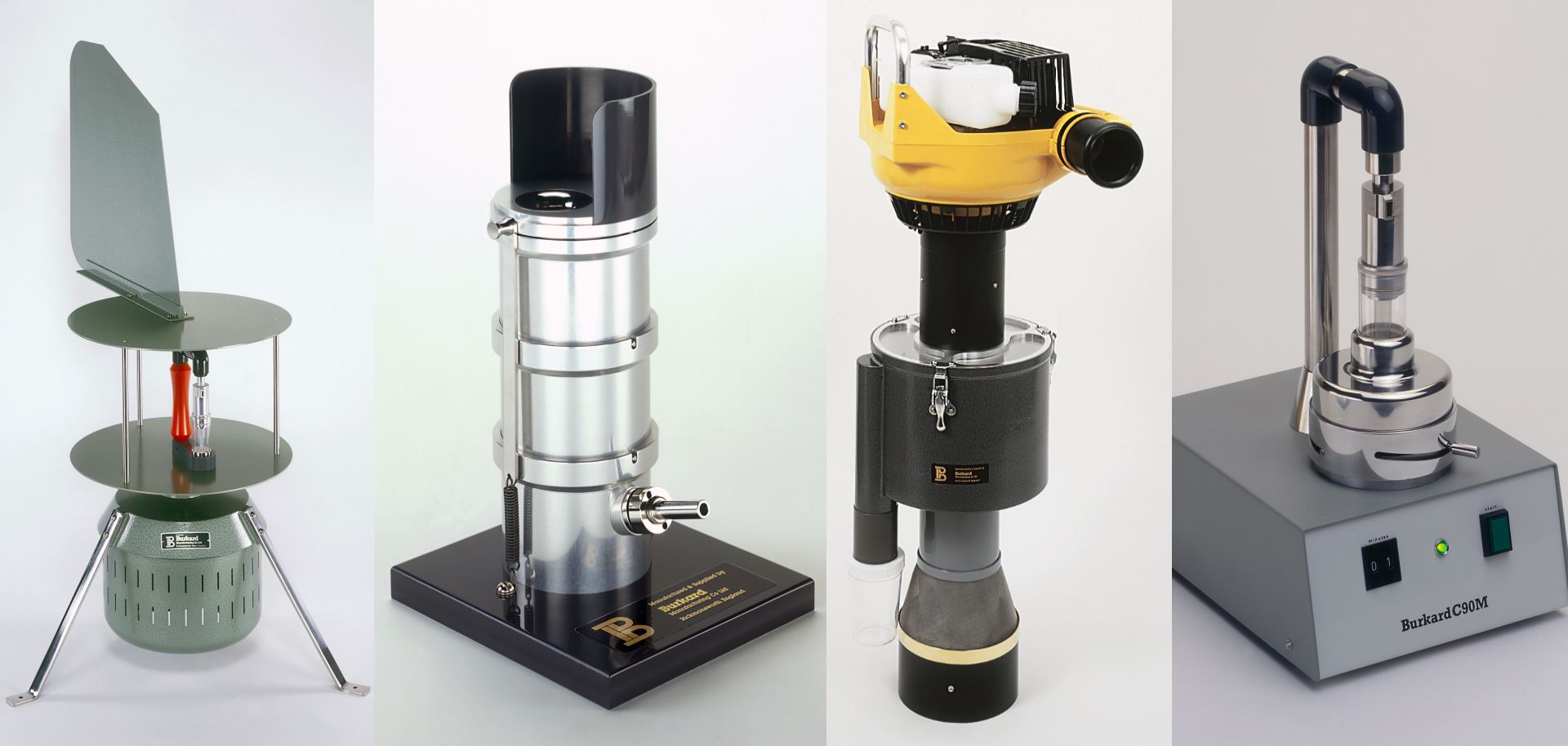
About Burkard Manufacturing
Burkard was established in 1952 to produce high quality Scientific Laboratory and Field equipment for the Medical, Environmental, Agricultural and Laboratory Sciences.
More than 90 per cent of our products reach overseas markets and a number of specialised instruments have become a standard of reference in a widely expanding field.
As a manufacturing company, we are committed to an ongoing programme of research and development to ensure our leadership in these specialised and sophisticated fields. Our R & D work is usually collaborated with University or Research Stations who are able to offer on-site evaluation of the final design.
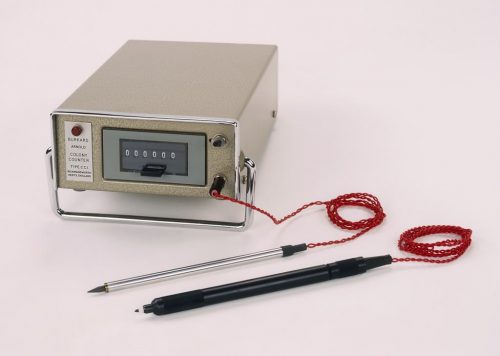
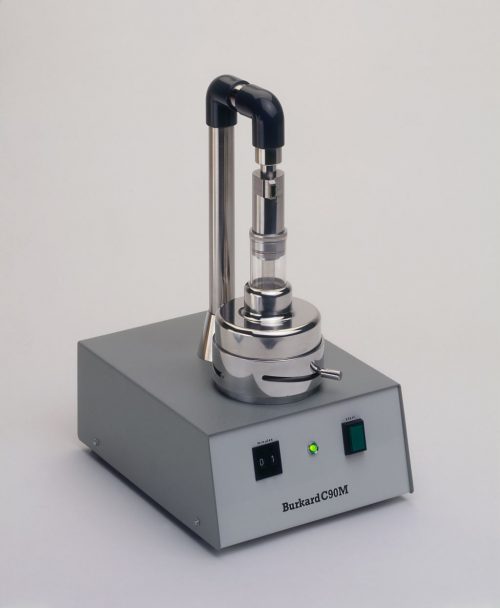
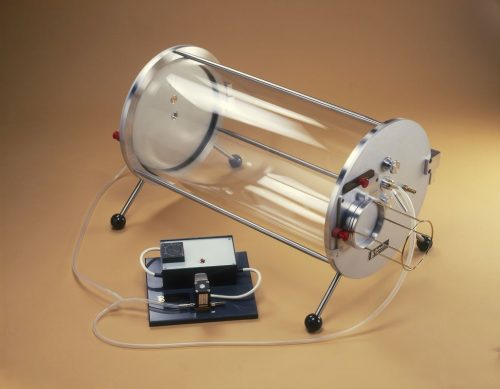
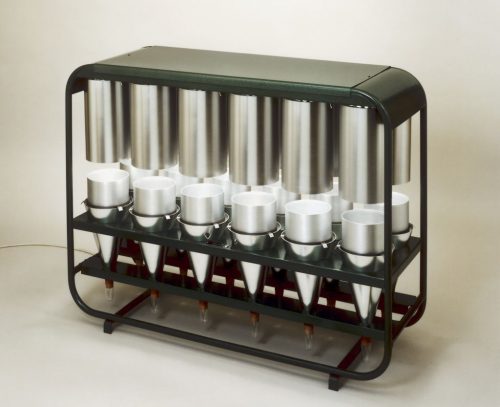
Recent products
Contact us
Phone
+44 (0)1923 773134/5
Fax
+44 (0)1923 774790
Address
Burkard Manufacturing Co. Limited
Woodcock Hill Industrial Estate
Rickmansworth
Hertfordshire
WD3 1PJ
England